
Holiday Guide
Santa Visits for Special Needs Children: Creating Sensory-Friendly Holiday Experiences in DFW
September 10, 2026

Sensory-Friendly Santa: Creating Inclusive Holiday Experiences for Special Needs Children in DFW
Holiday traditions should be joyful for every child, yet traditional Santa experiences can be overwhelming for children with autism, sensory sensitivities, or other special needs. Many families in the Dallas-Fort Worth area struggle to find inclusive Santa experiences that accommodate their child’s unique needs. This guide explores how sensory-friendly Santa visits work and where families can access meaningful holiday experiences tailored to their child.
Advance communication about the visit helps children mentally prepare and reduces anxiety. Parents can share their child’s specific sensory needs, communication style, and comfort preferences with Santa ahead of time. Trained Santa performers who understand special needs use patient, gentle interaction techniques that meet children where they are emotionally and developmentally. They listen more than they talk, respect personal space, and never force engagement, allowing the child to direct the interaction and feel genuinely seen and valued.
Trained Santa Performers Who Understand Special Needs
Not every Santa is equipped to work with children who have autism, sensory processing differences, or other special needs. Professional Santa performers who specialize in inclusive experiences receive background checks, understand trauma-informed practices, and recognize behavioral communication across the spectrum. They know that a child who doesn’t make eye contact is engaged, that stimming behaviors indicate comfort or focus, and that quiet children often internalize the magic of the moment deeply.
These performers become partners with families in creating meaningful holiday memories. Santa can adjust his approach in real time, speaking softly to sensitive ears, maintaining distance for children who need space, or engaging in a child’s specific interests to build genuine connection. When Santa is trained and prepared, the entire experience becomes accessible and joyful rather than performative or stressful.
Planning an Inclusive Santa Visit for Your Child
Questions to Ask Before Booking
Before committing to any Santa experience, ask the performer directly about their experience with special needs children. Understanding their training, comfort level, and approach to flexibility is essential. Inquire whether they’ve worked with children who have autism, sensory sensitivities, anxiety, or communication differences.
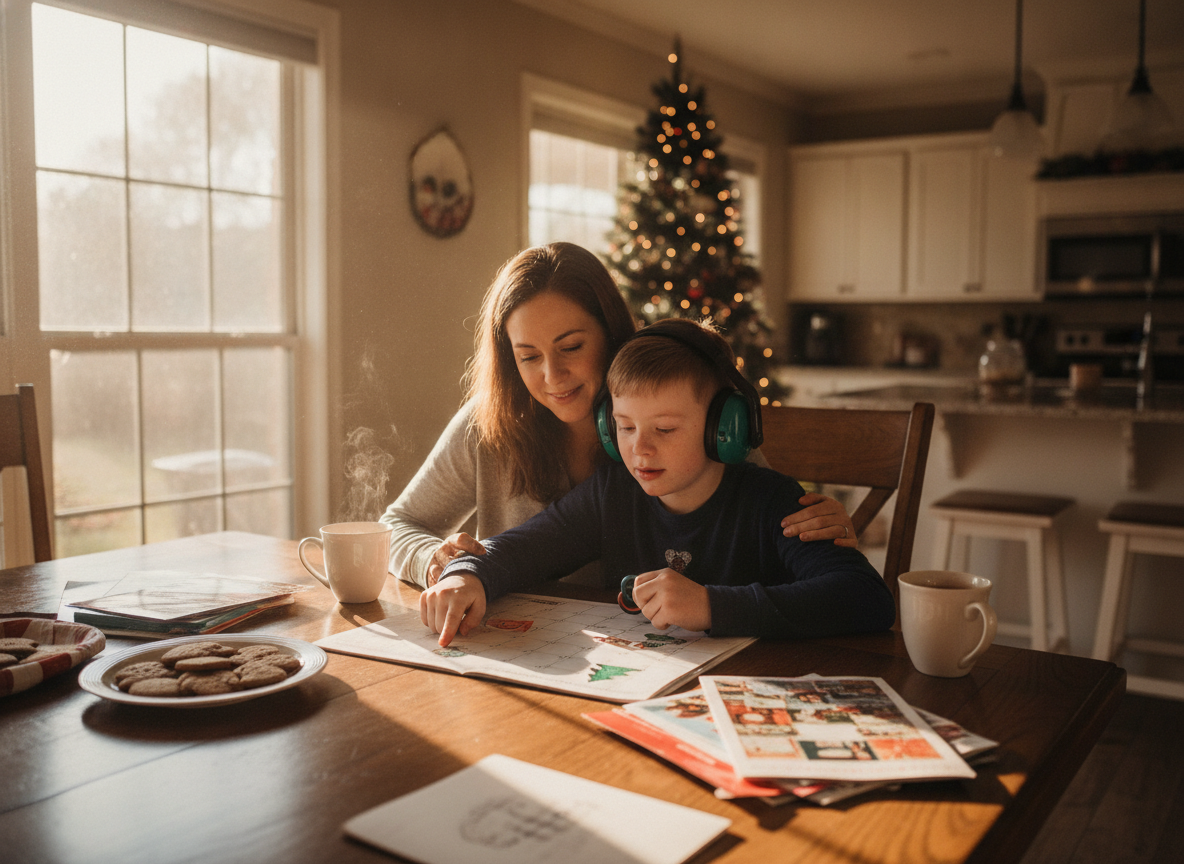
Photo by Quixess Social
Environment matters significantly. Ask whether the provider offers home visits, studio sessions, or private bookings. Home visits typically allow maximum control over lighting, sound, and pacing. Confirm the provider’s willingness to adjust physical contact, some children may prefer no hugging or handshakes. Discuss timing openly: Can the visit be shortened if your child becomes overwhelmed? Ask about their approach to gift-giving, photos, and interaction style.
Preparation Tips for a Successful Experience
Share your child’s specific needs, triggers, and communication preferences with the Santa performer in advance. Practice the visit beforehand using photos or videos if available. Bring comfort items such as noise-canceling headphones, fidget tools, or favorite stuffed animals to the visit. Plan for a shorter duration than typical Santa visits, 15 to 20 minutes is often ideal for maintaining positive engagement.
Finding Sensory-Friendly Santa Options in the Rockwall and DFW Area
Where to Look for Inclusive Santa Experiences
Specialized Santa services like mysantaconnection now offer home visits and customized experiences tailored to children with sensory needs. Home visits remain the gold standard for sensory-friendly Santa experiences because they offer maximum environmental control. Many DFW photographers and holiday event coordinators now explicitly offer sensory-conscious Santa bookings.

Photo by Quixess Social
Community organizations, autism centers, and special needs advocacy groups often host inclusive holiday events featuring Santa appearances designed with sensory accommodations in mind. Contact providers early, holiday dates fill quickly, especially for specialized services. Many experienced performers book through fall, making September and October ideal months to secure your preferred date for December visits.
Conclusion
Every child deserves a magical holiday experience that honors their unique needs and abilities. Sensory-friendly Santa visits are an important part of creating truly inclusive holiday traditions in the DFW area. By asking the right questions, preparing your child thoughtfully, and connecting with experienced local providers, you can transform Santa’s visit into a joyful memory rather than a source of stress. Start planning your child’s sensory-friendly Santa experience now, your child’s inclusive holiday magic is waiting.